The most common signs are a musty smell that will not go away, stains or discoloration, bubbling paint, soft or warped drywall, swollen baseboards, and allergy symptoms that ease when you leave home. A licensed assessor can confirm it with moisture meters and air or wall-cavity samples without tearing out walls.
Some of the worst mold problems we see are the ones nobody could see. A homeowner notices a smell, or a family member keeps getting sick, but every wall looks fine. Then we open a small section of drywall and find growth covering the back of the panel and the framing behind it.
I'm Richard Jones, and at Absolute Kleen & Restoration we do mold assessments and remediation across Cypress and Northwest Houston. Here are the signs that mold may be growing inside your walls, why it happens, and how to find out for sure without tearing your house apart.
Why mold grows inside walls
A wall cavity is a dark, closed space with paper-faced drywall, wood studs, and dust, which is everything mold likes. All it needs is moisture. In Houston-area homes that moisture usually comes from:
- Slow plumbing leaks from supply lines, drains, or shower valves
- Roof or window leaks that run down inside the wall
- AC condensation lines that clog or leak
- High indoor humidity, especially in bathrooms and laundry rooms
- Past flooding that was dried on the surface but not inside the wall
7 signs of mold behind walls
1. A musty smell that will not go away
This is the most common sign. Mold gives off an earthy, damp odor. If one room or closet always smells musty, even after cleaning, something is growing somewhere.
2. Stains or discoloration
Yellow, brown, or gray stains on drywall or ceilings usually mean water has been getting in. Where there is repeated moisture, there is often mold on the hidden side.
3. Peeling, bubbling, or cracking paint
Moisture trapped behind paint or wallpaper pushes it away from the wall. Bubbles near baseboards, windows, or bathrooms are worth a closer look.
4. Soft or warped drywall
Press gently on the wall. If it feels soft, spongy, or bowed, the drywall has absorbed water and may be breaking down.
5. Baseboards pulling away or swelling
Swollen or separating baseboards are a common sign of water wicking up from the floor or running down inside the wall.
6. Health symptoms that ease when you leave
Sneezing, congestion, itchy eyes, headaches, or asthma flare-ups that improve when you are away from home can point to an indoor air problem. Mold is one of the most common causes.
7. A history of leaks
If you have had a plumbing leak, roof leak, or flood in the past, especially one that was not professionally dried, the odds of hidden mold go up significantly.
How a licensed assessor finds hidden mold
You do not need to cut open every wall to find out. A proper mold assessment uses a few tools together:
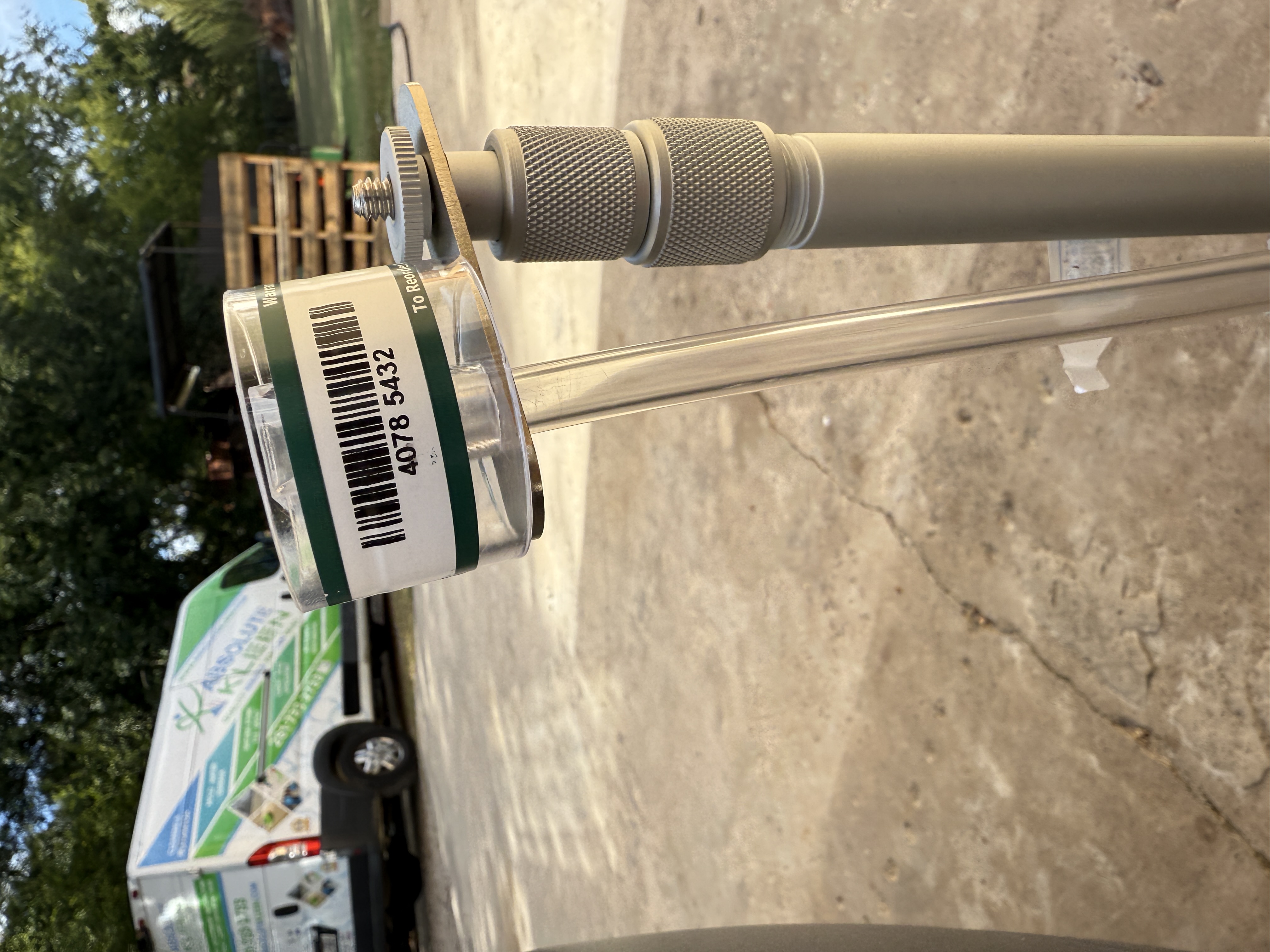
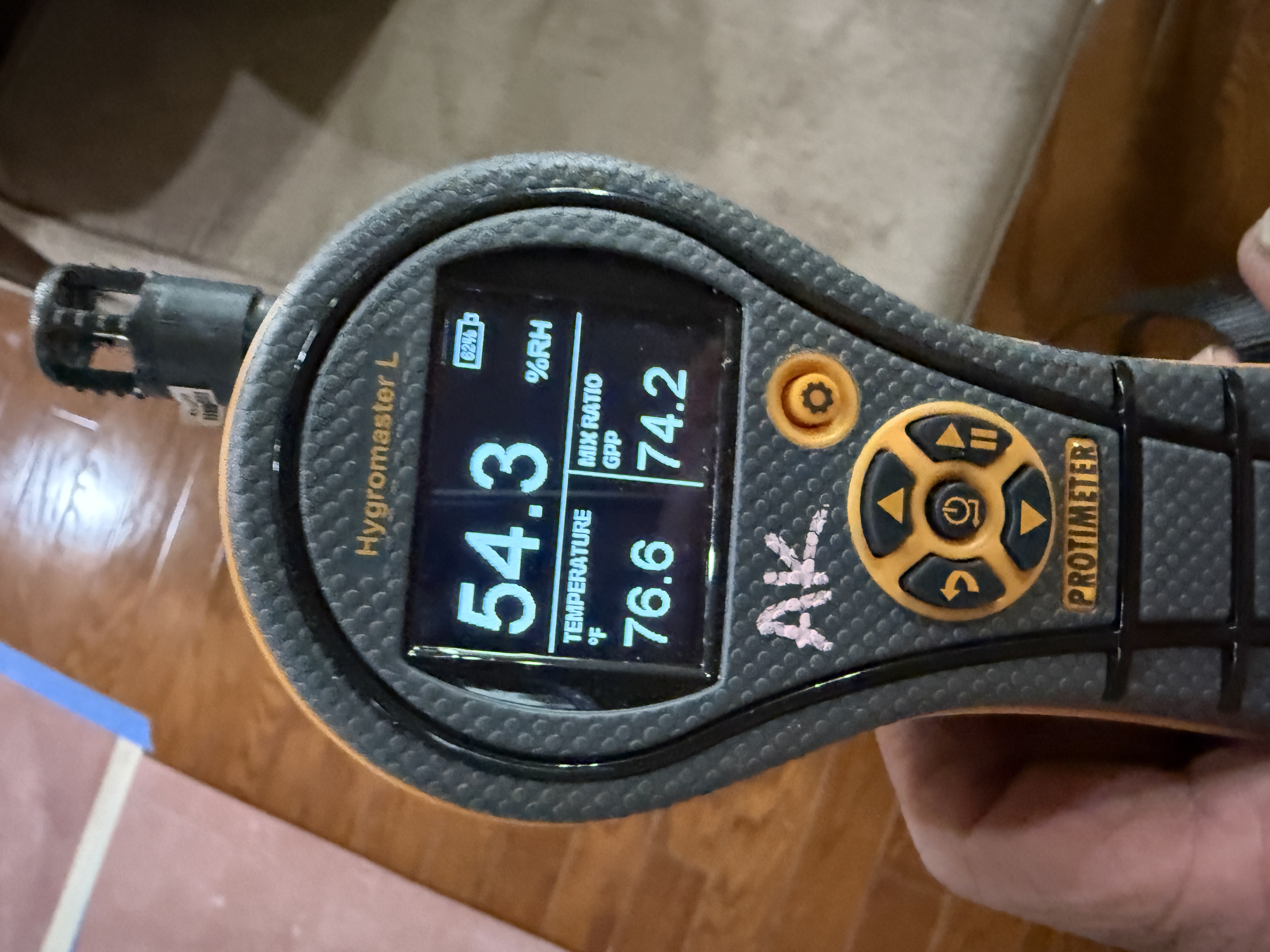
- Moisture meters to find damp areas inside walls without opening them
- Air sampling, which compares spore levels inside to an outdoor sample
- Wall cavity sampling through a small hole when a specific wall is suspected
- Visual inspection of attics, crawlspaces, under sinks, and around HVAC equipment
Samples go to an accredited lab, and you get a written report explaining what was found and what should be done. In Texas, any remediation over 25 contiguous square feet requires a written protocol from a licensed Mold Assessment Consultant. Our team holds Texas MAC license #2165. Learn more on our mold testing and inspection page.
What not to do
- Do not spray bleach into the wall. It will not reach mold in porous materials, and it adds moisture.
- Do not open the wall yourself if you suspect a large area. Disturbing mold without containment spreads spores through the house.
- Do not just paint over stains. The problem keeps growing underneath.
What happens if mold is confirmed
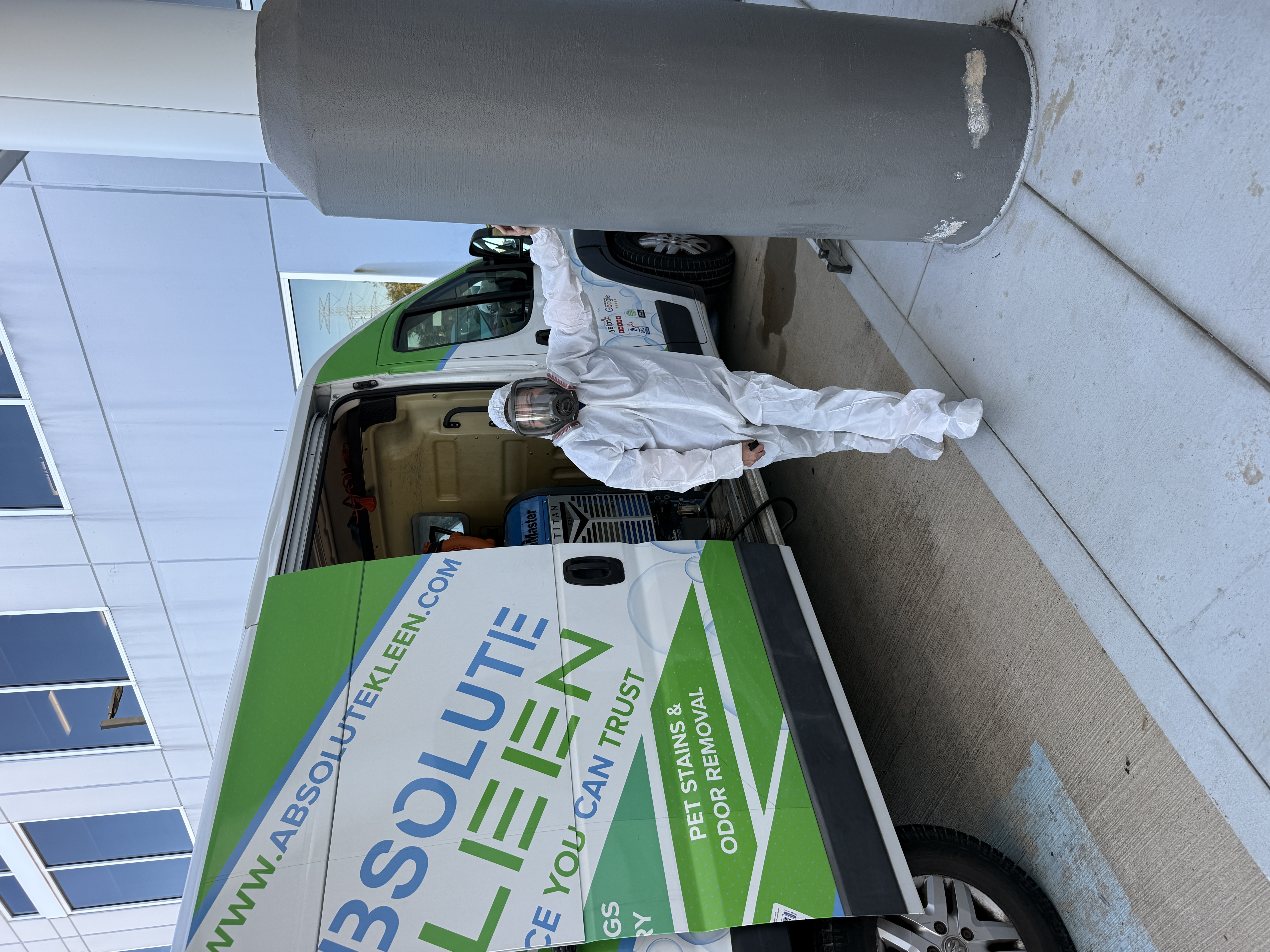
If the assessment finds mold, remediation follows a clear process. The area is sealed off with plastic containment and negative air pressure so spores stay in the work zone. Contaminated drywall and insulation are removed, framing is cleaned and treated, and HEPA air scrubbers clean the air. Most importantly, the moisture source is found and fixed, or the mold will return. After the work, clearance testing confirms the area passes. See our mold remediation page for details.
When to call
If you have a lingering musty smell, stains that keep coming back, or a recent leak, it is worth getting an assessment. Catching hidden mold early keeps the job small and the cost down. Call (281) 733-2733 or book an inspection online. We serve Cypress, Katy, Tomball, Jersey Village, Spring, and the rest of Northwest Houston.
Common questions
How do I know if I have mold in my house?
Common signs are a musty smell, visible spots on walls or ceilings, water stains, peeling paint, and allergy-like symptoms that improve when you leave the house. A licensed mold assessment is the only way to confirm what is there and how far it has spread.
What is the difference between air sampling and surface sampling?
Air sampling measures the mold spores floating in the air and compares them to an outdoor sample. Surface sampling (a swab or tape lift) identifies what is growing on a specific spot you can see.
How long do mold test results take?
Lab results typically come back within a few business days. We then walk you through the report and explain what, if anything, needs to be done.
More answers on our FAQ page.
Richard Jones is the owner of Absolute Kleen & Restoration in Cypress, TX, a Texas-licensed mold remediation contractor (MRC #2164) and mold assessment consultant (MAC #2165) with IICRC-certified technicians.