Keep indoor humidity between 30 and 50 percent, run your AC and bathroom fans, fix leaks within a day or two, keep AC drain lines clear, and dry any wet materials within 24 to 48 hours. Check attics, bathrooms, under sinks, and around the AC unit regularly.
Living near Houston means heat, humidity, and heavy rain for most of the year. Those are perfect conditions for mold. The good news is that mold is one of the most preventable problems in a home. It needs moisture to grow, and if you control moisture, you control mold.
I'm Richard Jones with Absolute Kleen & Restoration in Cypress. We remove mold from homes all over Northwest Houston, and most of the jobs we see could have been prevented with a few habits. Here is what we recommend.
Keep indoor humidity below 50 percent
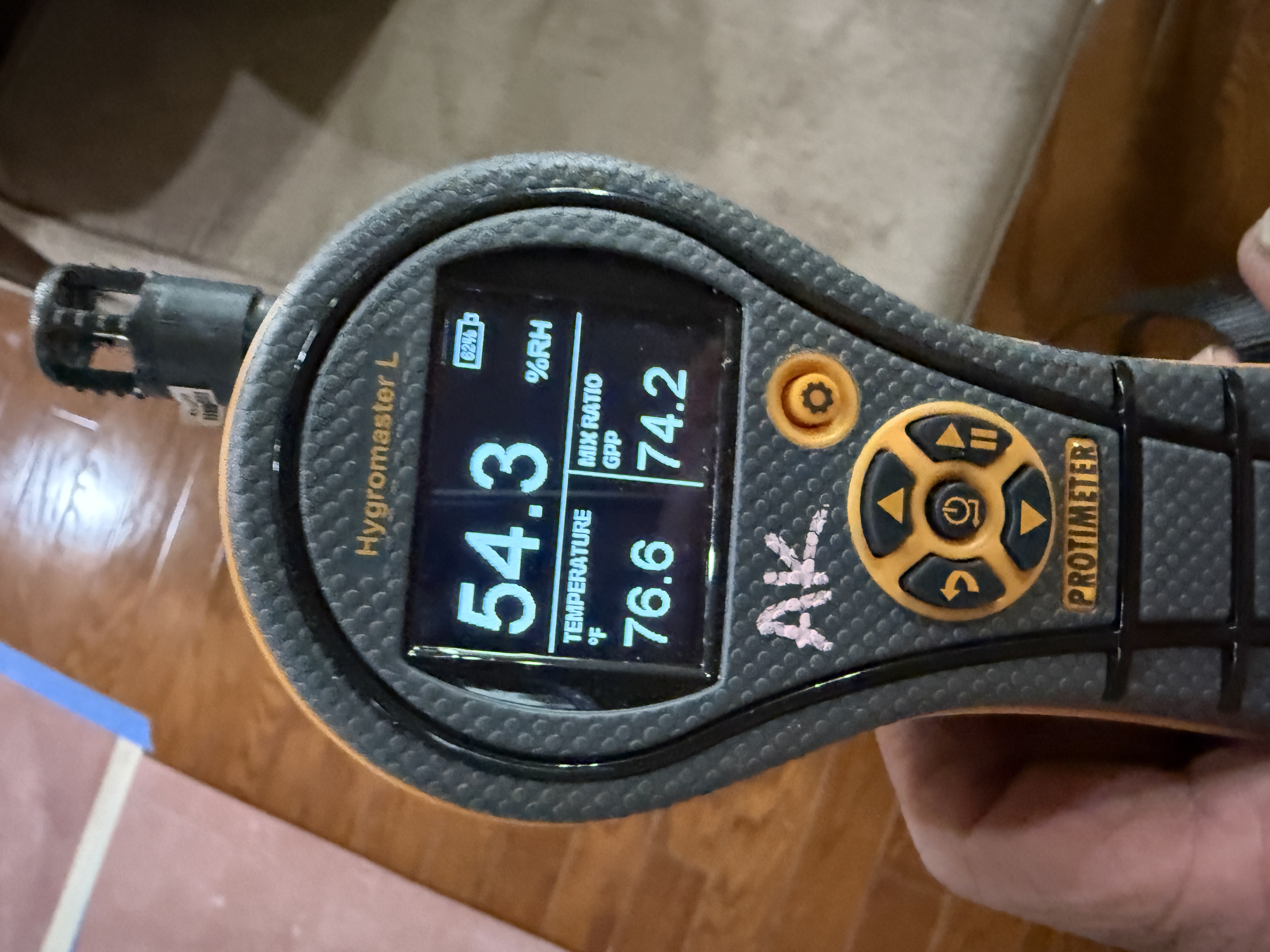
This is the most important step. Mold grows best when relative humidity stays above about 60 percent. Aim for 30 to 50 percent inside your home. A simple digital hygrometer costs little and tells you where you stand. Check it in different rooms, especially bathrooms, closets, and any room that smells stuffy.
Let your AC do its job
In our climate, air conditioning is also dehumidification. A few tips:
- Do not shut the AC off when you leave for long periods in summer. Set it a few degrees higher instead, so it keeps removing moisture.
- Change filters regularly, usually every one to three months.
- Make sure your unit is the right size. An oversized AC cools quickly but shuts off before it removes enough moisture, leaving the house cool and clammy.
- Consider a whole-home dehumidifier if humidity stays high even with the AC running.
Keep the AC drain line clear
Your AC removes gallons of water from the air every day, and that water drains through a condensate line. When that line clogs with algae, water backs up into the drain pan and can overflow into the ceiling, walls, or closet around the air handler. This is one of the most common sources of mold we find in attics and hall closets. Flush the line a few times a year, and consider a float switch that shuts the unit off if the pan fills.
Ventilate bathrooms and laundry rooms
- Run the bathroom fan during showers and for 20 to 30 minutes after.
- Make sure the fan vents outside, not into the attic.
- Squeegee shower walls and leave the curtain or door open to dry.
- Vent your dryer outside and clean the lint duct.
- Leave the washing machine door open between loads.
Fix leaks fast
Any leak, no matter how small, is a mold risk. Look under sinks every month, watch for ceiling stains after storms, and check around the water heater and fridge ice maker line. Drywall and wood that stay wet for 24 to 48 hours can start growing mold.
Manage water outside the house
- Keep gutters and downspouts clear, and extend downspouts away from the foundation.
- Make sure soil slopes away from the house.
- Keep sprinklers from spraying the walls or windows.
- Trim shrubs back from exterior walls so they can dry.
- Check caulk around windows and doors.
Check the trouble spots
These are the places we find mold most often in Houston-area homes:
- Attics, around AC air handlers, bath fan vents, and roof penetrations
- Bathrooms, especially behind toilets, under vanities, and in grout
- Under the kitchen sink and behind the dishwasher and fridge
- Closets on exterior walls, where air does not circulate
- Window sills where condensation collects
- Crawlspaces in older homes
Dry everything after a water event
After a leak, flood, or even a big spill on carpet, drying fast is critical. Fans help with surfaces, but water hidden in walls, pad, and subfloors needs professional drying equipment and moisture readings. Learn more about our water damage restoration service.
Keep carpet and upholstery clean
Dust and organic debris in carpet can feed mold when humidity is high. Regular vacuuming with a HEPA vacuum and professional cleaning every 12 to 18 months help. Make sure any cleaning dries within a few hours.
Watch for early signs
- Musty smells
- Small dark spots on caulk, grout, or ceilings
- Condensation on windows or AC vents
- Allergy symptoms that improve when you leave the house
If you notice any of these, a licensed assessment can tell you whether you have a problem and where. See our mold testing page.
We can help
Prevention is always cheaper than remediation. If you are worried about humidity, a musty smell, or a past leak in Cypress, Katy, Tomball, Spring, or elsewhere in Northwest Houston, call (281) 733-2733 or book an inspection.
Common questions
What happens during a mold inspection?
A licensed assessor looks for moisture and visible growth, checks readings with moisture meters, and takes air or surface samples where needed. The samples go to a lab, and you get a written report that explains the findings in plain language.
Do I need a mold test if I can already see mold?
Often yes. Visible mold is usually only part of the problem, and in Texas a remediation project over 25 contiguous square feet needs a written protocol from a licensed Mold Assessment Consultant. Testing tells you how far it goes before any work begins.
Is black mold dangerous?
Some molds, including the one often called black mold (Stachybotrys), can cause health problems, especially for children, older adults, and people with asthma or allergies. Any indoor mold growth should be assessed and removed properly rather than wiped or bleached.
More answers on our FAQ page.
Richard Jones is the owner of Absolute Kleen & Restoration in Cypress, TX, a Texas-licensed mold remediation contractor (MRC #2164) and mold assessment consultant (MAC #2165) with IICRC-certified technicians.