Mold can begin growing on wet drywall, wood, and carpet within 24 to 48 hours after water damage, and often faster in Houston-area heat and humidity. Stop the water, document the damage, and start professional extraction and drying as quickly as possible.
If you just found water on your floor or a stain spreading across your ceiling, the question on your mind is probably how much time you have. The short answer: less than most people think. Mold can begin growing on wet building materials within 24 to 48 hours. In Cypress and the rest of the Houston area, where the air is warm and humid most of the year, that clock often runs even faster.
I'm Richard Jones with Absolute Kleen & Restoration. We handle water damage and mold jobs across Northwest Houston every week, and the single biggest factor in how expensive a job becomes is how fast the water gets removed. Here is what actually happens after a leak, hour by hour, and what you can do about it.
What mold needs to grow
Mold spores are already present in almost every home. They float in on shoes, pets, and air from outside. On their own they are harmless and inactive. They only start to grow when they get three things at once:
- Moisture from a leak, flood, or high humidity
- Food, which is anything organic: drywall paper, wood, carpet backing, dust
- Warmth, and Texas homes supply plenty of it
A water event gives mold the one thing it was missing. That is why the drying phase matters more than anything else in the first two days.
The water damage timeline
First few hours
Water spreads out and down. It wicks up drywall, soaks into carpet pad, and runs under baseboards and cabinets. Furniture legs can stain carpet. Paper goods and photos start to warp. This is the best window to act, because most materials can still be dried and saved.
24 to 48 hours
Drywall starts to swell and soften. Wood begins absorbing water. A musty smell may appear. This is when mold can start to colonize wet surfaces, especially in closed spaces like wall cavities, under sinks, and beneath flooring where you cannot see it.
48 hours to one week
Mold growth can become visible, and odors get stronger. Wood floors may cup, doors swell, and paint bubbles. Materials that could have been dried now often need to be removed. Costs climb quickly from this point.
Beyond one week
Long-term moisture leads to structural damage, widespread mold, and a much larger remediation project. Insurance claims also get harder, because many policies treat slow, ongoing damage differently from a sudden event.
What to do in the first hour
- Stop the water. Shut off the main water valve if a pipe or supply line has burst.
- Make it safe. Turn off power to wet areas at the breaker if you can do so without stepping into water.
- Take photos and video of everything before you move it. Your insurance company will want them.
- Move valuables, electronics, and rugs out of the wet area.
- Call a professional. Our line is answered 24/7 at (281) 733-2733.
Why fans and towels usually are not enough
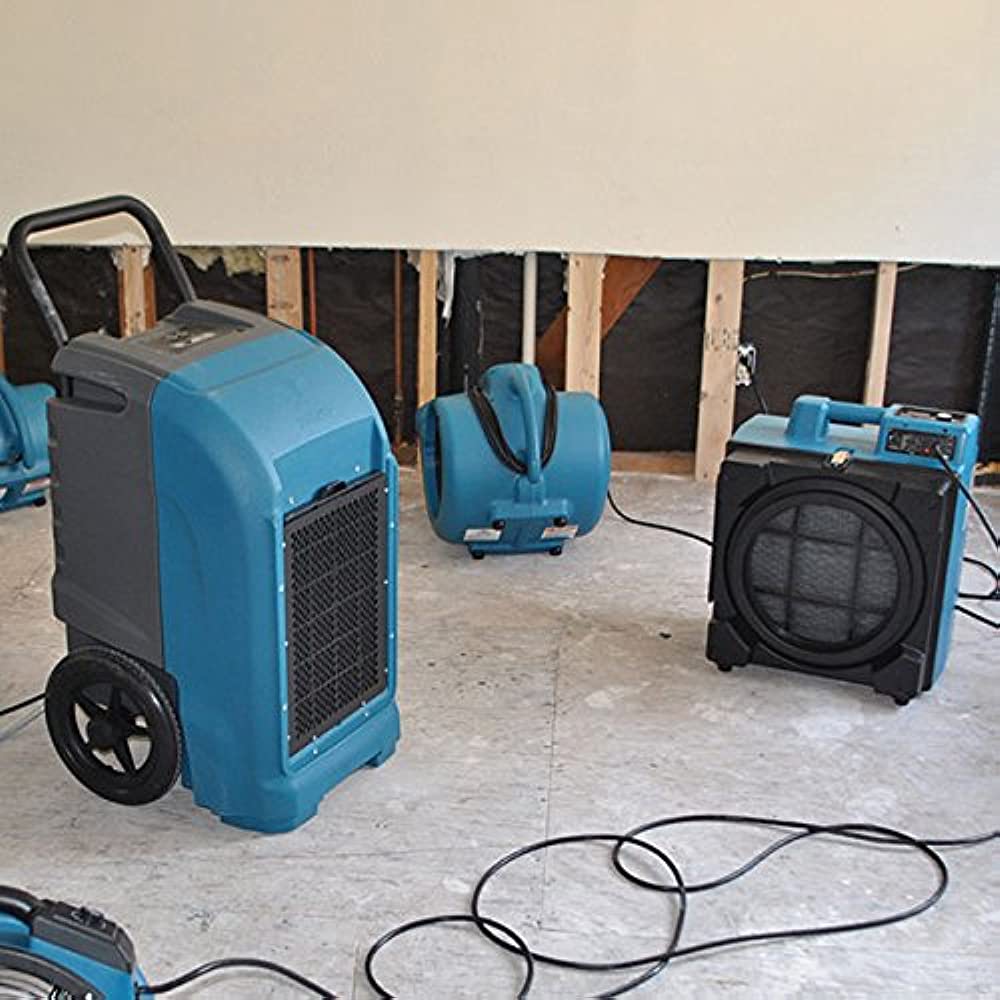
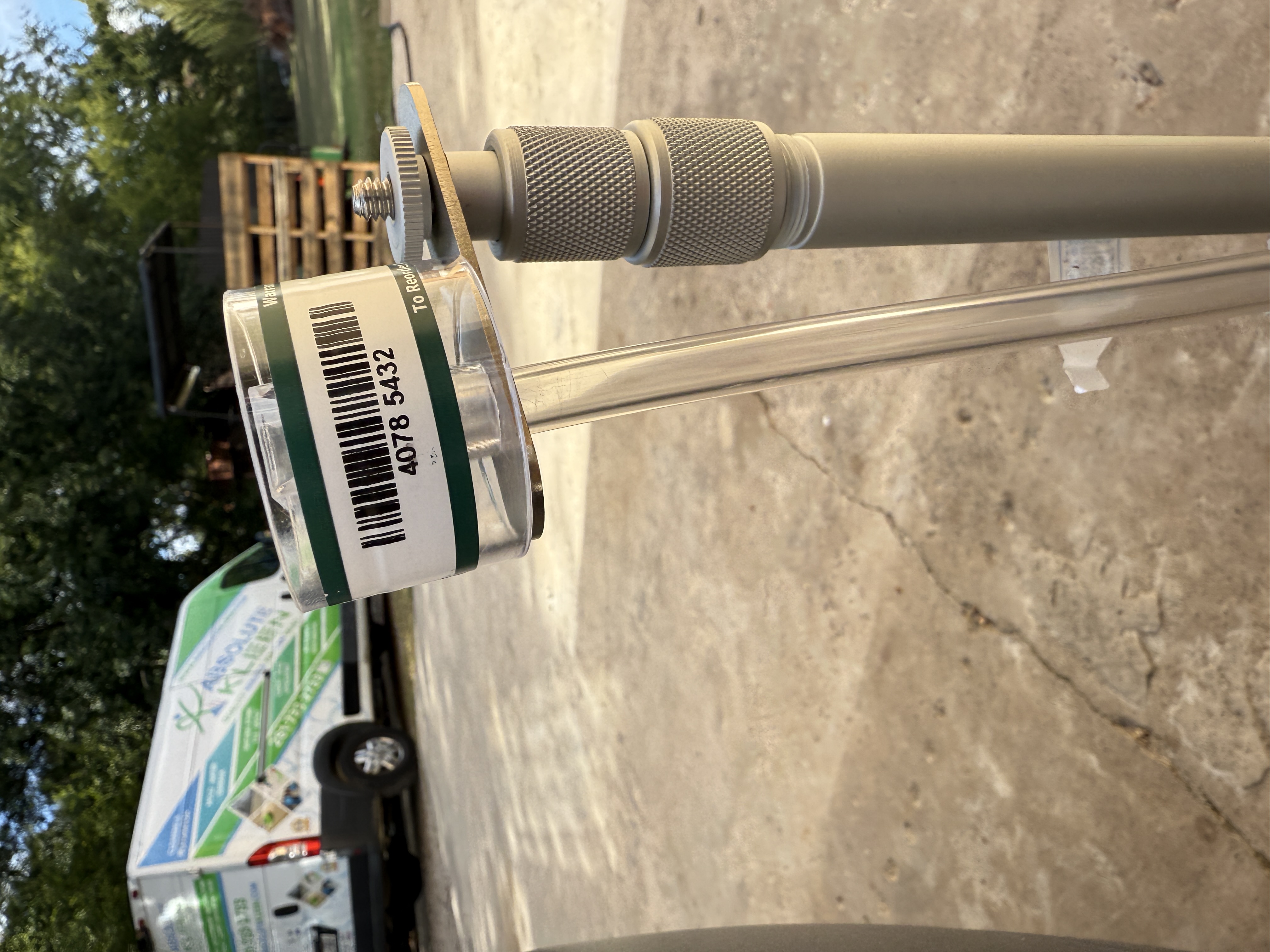
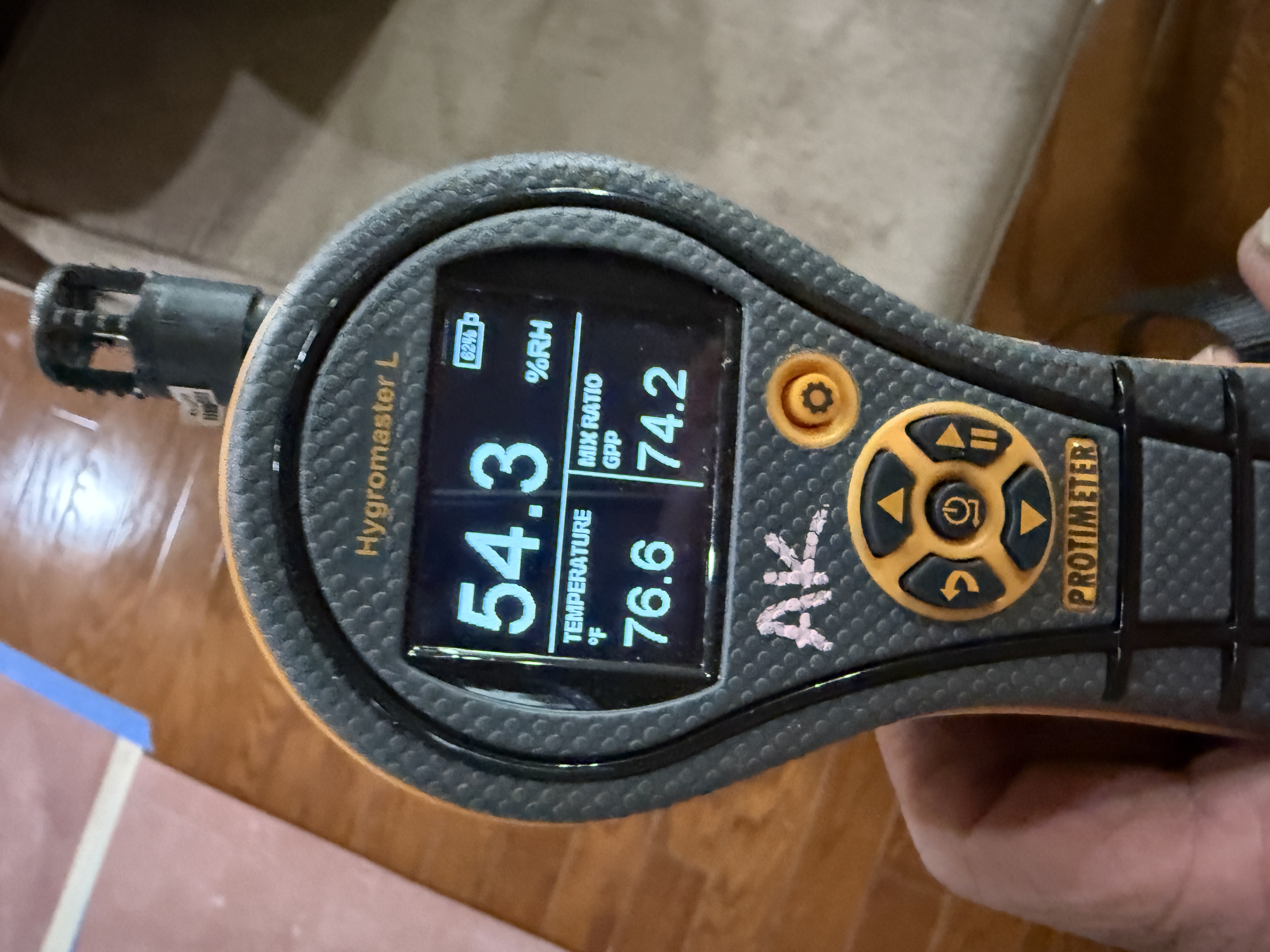
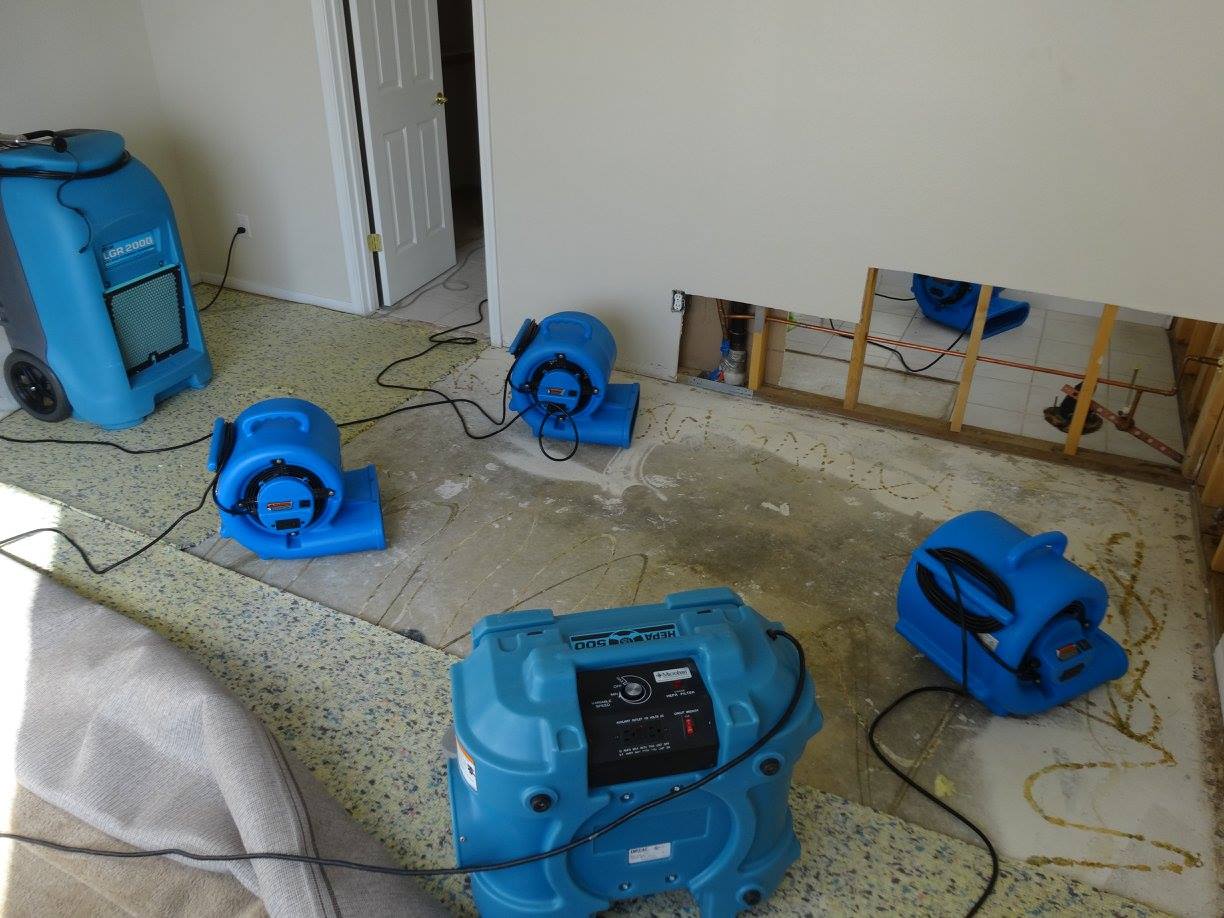
Household fans dry the surface you can see, but the water that causes mold is usually hidden in wall cavities, carpet pad, and subfloors. A surface can feel dry while the drywall behind it is still saturated. Professional drying uses moisture meters to find that hidden water, commercial air movers to move large volumes of air across wet surfaces, and dehumidifiers to pull the moisture out of the room instead of just moving it around.
We take readings every day and keep equipment running until the materials reach normal dry levels. Stopping early is one of the most common reasons mold shows up weeks after a leak that seemed handled.
Clean water vs. contaminated water
Not all water is equal. Water from a broken supply line is considered clean at first. Water from a washing machine or dishwasher overflow carries some contamination. Sewage backups and outside flood water are highly contaminated. The dirtier the water, the more materials need to be removed rather than dried, and the faster bacteria and mold grow. Even clean water becomes contaminated if it sits for a couple of days.
Signs mold has already started
- A musty or earthy smell that does not go away
- Dark spots or fuzzy growth on walls, baseboards, or the back of cabinets
- Peeling or bubbling paint
- Allergy-like symptoms that ease when you leave the house
If you notice any of these after a water event, it is time for a licensed mold assessment. In Texas, projects involving more than 25 contiguous square feet of mold require a written protocol from a licensed Mold Assessment Consultant before remediation. You can read more on our mold testing page.
How insurance looks at timing
Most homeowners policies cover sudden and accidental water damage, like a burst pipe. They are far less likely to cover damage from a slow leak that went on for weeks, or mold that grew because the water was not dried. Acting quickly protects your home and your claim. We document every job with photos, moisture logs, and an estimate written in Xactimate, the same software most insurance carriers use.
The bottom line
You have roughly one to two days before wet materials become a mold problem. Stop the water, take photos, and get professional drying started as fast as possible. If you are in Cypress, Katy, Tomball, Spring, or anywhere in Northwest Houston, we can be there around the clock. Learn more about our water damage restoration service or request help now.
Common questions
How quickly does mold grow after water damage?
Mold can begin to grow within 24 to 48 hours on wet materials. That is why fast water extraction and drying matter so much.
Can wet carpet be saved?
Often, yes, if it is clean water and the carpet is extracted and dried quickly. Carpet soaked by sewage or flood water from outside usually has to be replaced for health reasons.
What equipment do you use for water damage?
We use truck-mounted and portable extractors, commercial air movers, dehumidifiers, and moisture meters to find hidden water. The equipment stays until readings confirm the structure is dry.
More answers on our FAQ page.
Richard Jones is the owner of Absolute Kleen & Restoration in Cypress, TX, a Texas-licensed mold remediation contractor (MRC #2164) and mold assessment consultant (MAC #2165) with IICRC-certified technicians.